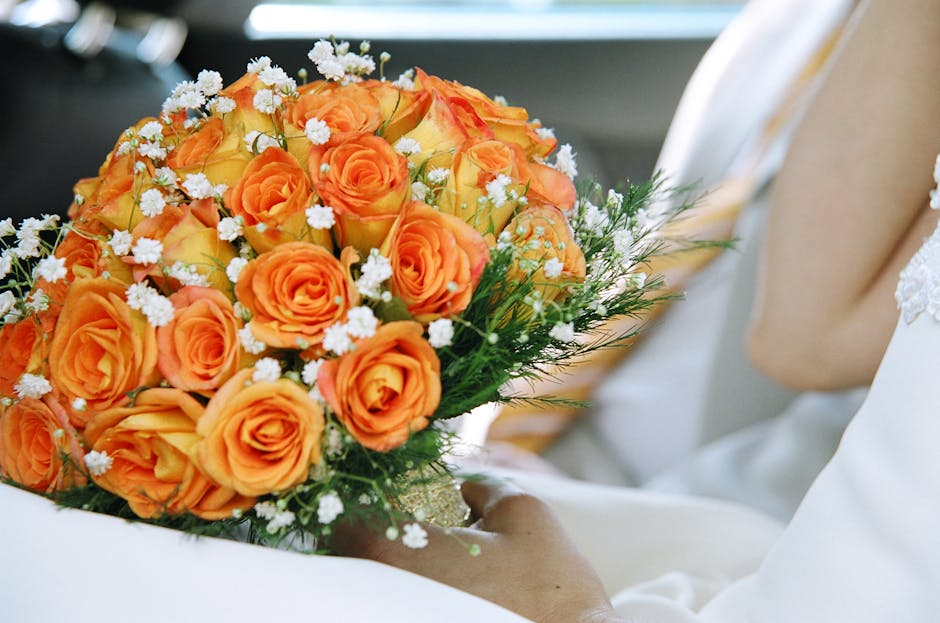
Top florist case study Stanmore town centre wedding flowers
Posted on 09/10/2026
Planning wedding flowers in Stanmore town centre can feel deceptively simple at first. Then the questions start stacking up: what style suits the venue, how far in advance should you book, which flowers hold up best through a long day, and how do you keep everything cohesive without overdoing it? This Top florist case study Stanmore town centre wedding flowers guide walks through the process in a practical, grounded way, so you can make better decisions with less guesswork.
If you are comparing ideas for bridal bouquets, ceremony flowers, buttonholes, and reception tables, it helps to see how a florist thinks from start to finish. That is really the point here. Not just pretty arrangements, but the planning, timing, and small details that stop a wedding morning from turning into a mild panic. Let's face it, flowers look effortless when done well. They rarely are.
In the sections below, you will find a clear overview of how a wedding flower project is shaped, what benefits it brings, where the common mistakes happen, and how to choose a style that feels right for Stanmore town centre rather than copied from somewhere else entirely.
Table of Contents
- Why this florist case study matters
- How the wedding flower process works
- Key benefits and practical advantages
- Who this is for and when it makes sense
- Step-by-step guidance
- Expert tips for better results
- Common mistakes to avoid
- Tools, resources and recommendations
- Law, compliance, standards, or best practice
- Options, methods, and comparison table
- Case study or real-world example
- Practical checklist
- Conclusion
- Frequently asked questions
Why Top florist case study Stanmore town centre wedding flowers Matters
A good florist case study matters because wedding flowers are not just decoration. They set tone, tie colours together, and quietly shape how the whole day feels in photographs, in the room, and even in those few seconds before the ceremony when everyone is waiting and breathing a little too carefully.
For a Stanmore town centre wedding, that matters even more. Town centre settings often combine a few moving parts: a registry office or ceremony venue, nearby parking considerations, short transfer windows, and guests arriving on foot or by car from different directions. So the flowers have to do more than look lovely. They have to arrive on time, stay fresh, work in the space, and be easy to move if the schedule shifts by ten minutes here or there.
This is where a local florist's experience really shows. A florist who understands wedding logistics can plan around collection points, delivery timing, venue access, and the practical realities of setup. In our experience, the best wedding flower work feels calm. Not flashy, just calm. That calmness usually comes from proper preparation behind the scenes.
It also matters for budgeting. A well-structured flower plan helps you spend where it counts. Maybe that means prioritising a memorable bridal bouquet and ceremony flowers, while keeping table arrangements simpler. Or maybe it means choosing a cohesive palette that can be repeated across several arrangements so the whole event feels polished without needing every possible extra.
And if you are browsing options in the area, the broader shop range can help you understand style and seasonality. Pages like florist services in Stanmore HA7 and wedding flowers in Stanmore HA7 give a useful sense of what is available before you commit to a final concept.
How Top florist case study Stanmore town centre wedding flowers Works
Wedding flowers usually work best when they are planned in layers. Think of it as a sequence rather than a single purchase. First comes the style direction, then the flower selection, then the logistics, then the final handover on the day. Simple on paper. A bit more involved in real life.
1. Start with the setting
The venue, light, season, and number of guests all influence the floral plan. A compact town centre celebration may need fewer large arrangements and more focused pieces: a bouquet, buttonholes, a registrar table arrangement, and a small set of reception flowers. A larger celebration may need aisle pieces, top-table flowers, bridesmaid bouquets, and table centrepieces that can be moved from ceremony to reception.
2. Choose a core palette
A coherent colour story makes the whole wedding feel deliberate. Whites and greens are classic for a clean, timeless look. Blush pinks and creams feel romantic. Purples and deep reds can add mood and richness. Mixed colours can be joyful, but they need control so they do not become busy or scattered. This is where a florist's eye is worth its weight in gold, honestly.
3. Match design to practicality
Not every flower behaves the same way through a wedding day. Some blooms travel well and hold shape; others are delicate and need careful conditioning, cool storage, or a late finishing time. Buttonholes should be secure but light. Bouquets should be easy to carry. Table arrangements should look full without blocking guests across the table. The design has to live in the room, not just look good in a close-up.
4. Build a delivery and setup plan
In town centre locations, timing matters. If parking is limited or access is tight, the florist may need to schedule earlier loading, careful transport, or a tighter setup window. That means the floral order should be finalised well before the day, with delivery details locked in. Small changes at the last minute can happen, of course, but the less improvisation, the better.
For couples comparing delivery expectations more broadly, it is useful to understand standard service pathways such as delivery information and customer guarantees, especially if flowers are being delivered rather than collected.
Key Benefits and Practical Advantages
A well-planned wedding flower approach gives more than visual impact. It reduces stress, keeps the day coordinated, and avoids waste. You notice it most when the flowers quietly solve problems instead of creating them.
- Visual consistency: Bouquets, buttonholes, and table flowers can all share the same tone and texture, which gives the wedding a polished feel.
- Better budget control: You can prioritise statement pieces and simplify the rest without the event feeling stripped back.
- Less day-of pressure: If delivery, setup, and placement are planned properly, there is less running around in the final hour.
- Improved flower longevity: Choosing the right blooms and conditioning them properly helps them stay fresher through the ceremony and reception.
- Stronger photos: Good floral design frames faces, tables, and ceremony spaces in a way that reads beautifully on camera.
There is also a less obvious benefit: confidence. When a couple sees the flowers arriving exactly as planned, it tends to settle the whole morning. You can see shoulders drop a little. It sounds small, but it is not.
If you are trying to compare styles, consider browsing product groups like luxury flowers, white flowers, or mixed colours to get a feel for palette direction before you build the wedding brief.
Who This Is For and When It Makes Sense
This kind of florist-led planning makes sense for a few different kinds of couples. Some know exactly what they want and need help turning it into a workable plan. Others have only a rough idea and need guidance before they spend on the wrong things. Both are normal, by the way. Completely normal.
It is especially useful if:
- you are getting married in or near Stanmore town centre and want a local delivery approach
- your ceremony and reception are in different places
- you want a polished wedding look without overcomplicating the order
- you care about having flowers that suit the space rather than fight it
- you need a practical solution for buttonholes, bouquets, and table flowers in one place
It also makes sense when family expectations are involved. Maybe one side wants traditional whites, another prefers something more colourful, and you are trying to keep everybody reasonably happy without turning the wedding into a committee meeting. Good luck with that. A balanced floral palette often bridges those preferences better than people expect.
For anyone still exploring the florist's wider range before making a decision, the main shop pages are helpful, including flower shops in Stanmore HA7, best flower delivery Stanmore HA7, and about us.
Step-by-Step Guidance
If you want a sensible route through wedding flowers, this is the cleanest way to approach it. Nothing fancy. Just a process that reduces mistakes and keeps the design grounded.
Step 1: Define the must-have pieces
Start with the essentials: bridal bouquet, bridesmaid bouquets, buttonholes, ceremony flowers, and table arrangements. Some couples add corsages, aisle flowers, or gift bouquets. Others keep things minimal. Do not begin by asking what you can add. Begin by asking what you actually need.
Step 2: Decide the look and mood
Pick three or four words to describe the feeling you want. For example: soft, elegant, romantic, modern. Or fresh, natural, joyful, clean. These words help the florist steer the design. Without them, people tend to drift into vague territory very quickly.
Step 3: Set the palette and flower preferences
Choose colours first, then discuss flower families. Roses are versatile and classic. Lilies add structure and scent. Hydrangeas bring fullness. Lisianthus softens the look. Mixed seasonal blooms can create texture and movement. If you have preferences about scent, pollen, or pet safety, say so early.
Step 4: Confirm timings and logistics
List ceremony time, venue access, any parking restrictions, and who will receive the flowers. If someone needs to be waiting at the venue, that should be confirmed before the week of the wedding. Avoid assuming everyone knows the plan. They usually do not. Not really.
Step 5: Review the final order carefully
Check names, quantities, colours, and delivery details. Make sure any special requests are written down clearly. A tiny mistake in wording can become a real issue if it changes the bouquet style or item count. This is the unglamorous part, but it matters.
Step 6: Prepare for the day itself
On the day, keep a simple handover plan. Who accepts the flowers? Where should they go? Which arrangement is for which table? A good florist makes this easier, but a little organisation on the couple's side helps too.
For lighter-touch orders or add-on pieces, useful related pages include same-day flower delivery Stanmore HA7 and next-day flower delivery Stanmore HA7. These are not wedding substitutes, of course, but they do show how delivery timing is handled.
Expert Tips for Better Results
Good wedding flowers are usually the result of a few smart choices, not endless complexity. Here are the practical tips that make the biggest difference.
- Keep the hero elements few: One standout bouquet and a few matching supporting pieces often look stronger than trying to make every item dramatic.
- Use repetition wisely: Repeating one bloom or one colour across different items creates cohesion without making everything identical.
- Think about movement: A bouquet should feel comfortable in the hand. Table pieces should not crowd guests. Buttonholes should sit securely and not snag.
- Work with the room: High ceilings, strong natural light, or a compact dining space all affect what will look best.
- Plan for heat and handling: Even in the UK, a wedding morning can get warm. Flowers need a proper finish time and sensible storage.
One small but valuable tip: bring examples, not just words. A few screenshots are often enough. Too many photos, oddly, can make the decision harder. Everyone starts talking about "this bit" of one bouquet and "that bit" of another. It turns into a floral Frankenstein situation. Best avoided.
It can also help to understand the florist's wider product style. For instance, browsing bridal bouquets, bridesmaid bouquets, wedding buttonholes, and wedding table arrangements can show how the elements sit together in a real product range.
Common Mistakes to Avoid
Most problems with wedding flowers are not dramatic disasters. They are small mismatches that add up: a bouquet that is too large, a table piece that blocks conversation, or a palette that looks lovely in the shop but disappears in the venue lighting.
- Leaving floral planning too late. Good wedding floristry needs time for sourcing, design, and scheduling.
- Choosing too many focal points. If everything is a statement, nothing is.
- Ignoring the venue scale. A large arrangement can overwhelm a smaller town centre room.
- Not checking practical handling. Some designs look beautiful but are awkward to carry, pin, or position.
- Forgetting the handover plan. If nobody knows where the flowers should go, a lot of useful time gets wasted.
- Overlooking backup details. Always have names, quantities, and event timings written down somewhere sensible.
There is also the classic mistake of ordering based only on a single inspiration photo. Inspiration is fine, but weddings are not mood boards. They are real spaces, real timings, real people, and a real budget. A florist can bridge that gap if you let them.
Tools, Resources and Recommendations
There are a few useful resources and product pages that can help you make better decisions, especially if you are still refining your flower list.
| What you need | Useful approach | Why it helps |
|---|---|---|
| Wedding bouquet style | Review bridal bouquet options and palette examples | Makes it easier to define shape, size, and colour tone |
| Matching supporting flowers | Look at bridesmaid bouquets, buttonholes, and table arrangements together | Keeps the wedding visually cohesive |
| Budget control | Compare simpler and more elaborate flower ranges | Helps identify where to spend and where to save |
| Delivery planning | Check delivery and timing information early | Reduces last-minute stress on the day |
| Longer-term order confidence | Read policy and guarantee pages before booking | Supports trust and clear expectations |
Recommended pages worth reviewing include payment information, returns and refund information, terms and conditions, and contact us. Those pages are not glamorous, but they are helpful. Wedding planning has plenty of glamorous bits already.
If sustainability matters to you, a florist's sourcing and waste practices may also be worth checking. The sustainability page is a sensible place to start, especially for couples trying to keep the wedding thoughtful as well as beautiful.
Law, Compliance, Standards, or Best Practice
Wedding floristry is not usually a heavily regulated purchase in the way some services are, but good practice still matters. In the UK, the main practical expectations are about clear communication, accurate pricing, timely delivery, fair refund handling where relevant, and careful treatment of customer data.
That means you should expect straightforward order information, transparent delivery arrangements, and sensible policies around substitutions if a specific flower is unavailable. Seasonal and supply changes happen. They just do. A trustworthy florist explains that clearly rather than quietly swapping things without notice.
From a best-practice angle, a few things stand out:
- confirm event details in writing where possible
- agree delivery times and access information early
- check cancellation or amendment terms before paying
- make sure the florist understands any venue restrictions
- ask how the flowers will be kept fresh before the ceremony
If you need to review operational trust signals, the site's privacy policy, cookie policy, and accessibility statement are also useful for understanding how the business presents itself. Not thrilling reading, admittedly. Still important.
Options, Methods, or Comparison Table
There are several sensible ways to approach wedding flowers in Stanmore town centre, depending on the scale of your day and how much coordination you want to handle.
| Approach | Best for | Strengths | Trade-offs |
|---|---|---|---|
| Minimal essentials only | Small civil ceremonies or compact venues | Simple, elegant, easier to manage | Less visual drama across the day |
| Balanced package | Most couples | Good mix of impact and practicality | Needs careful prioritising |
| Statement-led design | Couples wanting a strong visual theme | Strong photo impact, memorable styling | Can push budget higher and needs tighter planning |
| Seasonal mixed approach | Couples who like texture and variety | Natural, lively, often great value | Requires a florist with a strong eye for harmony |
For many Stanmore town centre weddings, the balanced package is the sweet spot. Enough flowers to feel special, but not so much that the day becomes a logistics exercise. The wedding should still feel like a wedding, not a delivery operation with confetti.
Case Study or Real-World Example
Here is a realistic example of how this process might look in practice, without inventing any dramatic facts.
A couple planning a Stanmore town centre ceremony wanted a calm, elegant look with a small reception nearby. They knew they wanted whites and soft pinks, but they were unsure how much to order. After discussing the space, the florist recommended focusing on a bridal bouquet, two bridesmaid bouquets, several buttonholes, a compact registrar table arrangement, and simple table flowers for the reception.
That decision did three useful things. First, it kept the visual style consistent. Second, it kept the budget focused on the items everyone would actually see up close. Third, it made delivery and setup manageable in a town centre schedule, where timing and access can be a bit tight.
The bride wanted a bouquet that looked refined in photographs but did not feel too heavy. So the design used soft layering rather than oversized blooms. The result was tidy, elegant, and easy to carry. Nothing overworked. The bridesmaid bouquets echoed the same palette but were slightly smaller, which is exactly what you want in a group arrangement. Matching, but not identical.
The key lesson from this kind of project is simple: the best wedding flowers often come from restraint. When you choose the right few pieces and let them do their job, the whole day feels more intentional. Quietly beautiful. That is usually the sweet spot.
Practical Checklist
Use this checklist before finalising your wedding flowers. It is not glamorous, but it will save you from avoidable stress.
- Have you confirmed the ceremony and reception venue details?
- Have you chosen your core colours and overall style?
- Do you know which flowers are must-have items?
- Have you agreed the bouquet count and buttonhole count?
- Have delivery and access arrangements been checked?
- Is someone available to receive the flowers on the day?
- Have you asked about substitutions for seasonal availability?
- Have you reviewed payment, refund, and order terms?
- Do your table arrangements suit the room size?
- Have you considered how the flowers will be photographed?
- Do you need any add-on gifts, cards, or sympathy-style follow-up items for other occasions around the same time?
If you need a broader sense of the florist's product range, pages like best sellers, florist choice, and weddings can be useful reference points when comparing styles and levels of finish.
Conclusion
Stanmore town centre wedding flowers work best when design and practicality are treated as equals. Pretty is essential, of course, but it is only part of the job. The real value of a strong florist plan is that it helps the day run smoothly, supports the venue, and gives you flowers that feel like they belong to the wedding rather than just being placed into it.
A thoughtful florist approach can save time, reduce stress, and make even a compact town centre celebration feel polished and personal. And that is the part couples remember later, not just the colour or the ribbon, but the feeling that everything was cared for properly. That counts for a lot.
Get a free quote today and see how much you can save.
When the flowers are right, the whole day seems to breathe a little easier.
Frequently Asked Questions
What does a florist case study for Stanmore town centre wedding flowers actually show?
It shows how wedding flowers are planned in a real setting: what was prioritised, how the bouquet and supporting arrangements were chosen, and how timing, venue access, and style were balanced. The value is in the process, not just the finished look.
How far in advance should I plan wedding flowers?
As early as you reasonably can. The exact timing depends on the size of your wedding and the complexity of the order, but early planning gives you better choice, less pressure, and more time to refine details.
What flowers work best for a town centre wedding?
That depends on the season and style, but sturdy, elegant flowers that travel well are often the safest choice. Roses, lilies, lisianthus, hydrangeas, and mixed seasonal blooms are all commonly considered, depending on the finish you want.
Do I need a separate florist for bouquets and table flowers?
Not usually. Most couples prefer one florist to handle the main wedding flowers so the style stays consistent. That also makes delivery and setup easier, which is no small thing on the day.
How do I keep wedding flowers within budget?
Prioritise the pieces that matter most in photos and during the ceremony, then simplify the rest. Repeating the same palette across a few well-chosen arrangements can look more expensive than scattering the budget too thinly.
Can I use the same florist for other occasions too?
Yes. Many people use the same florist for birthdays, anniversaries, sympathy flowers, and gifts once they are happy with the quality and service. A reliable florist becomes a handy contact, truth be told.
What should I bring to my florist consultation?
Bring your wedding date, venue details, rough guest numbers, colour ideas, and a few inspiration images. Try not to bring fifty photos unless you enjoy chaos. Three or four well-chosen references are often better.
Will my wedding flowers look the same as the sample photos?
They should be similar in style, but natural variation is normal because of seasonal availability and flower size. A good florist will explain where flexibility may be needed and how they will protect the overall look.
What if my ceremony and reception are in different places?
Then delivery and transfer planning become especially important. The florist needs to know the timings, access points, and whether arrangements must move between venues. It is all manageable, just best not to leave it vague.
Are same-day or next-day flowers relevant for weddings?
They can be relevant for last-minute extras, rehearsal flowers, or small add-ons, but they are not a substitute for proper wedding planning. Wedding flowers need more care than an ordinary order, especially for bouquets and table pieces.
How do I know if a florist is trustworthy?
Look for clear product descriptions, straightforward delivery information, transparent policies, and a sensible way to contact the business. If a florist explains substitutions and timing clearly, that is usually a good sign.
What is the most common wedding flower mistake?
Ordering without enough thought for the venue and logistics. A bouquet can be beautiful and still be wrong for the space, the schedule, or the budget. The best results come from thinking about the day as a whole, not just the flowers in isolation.